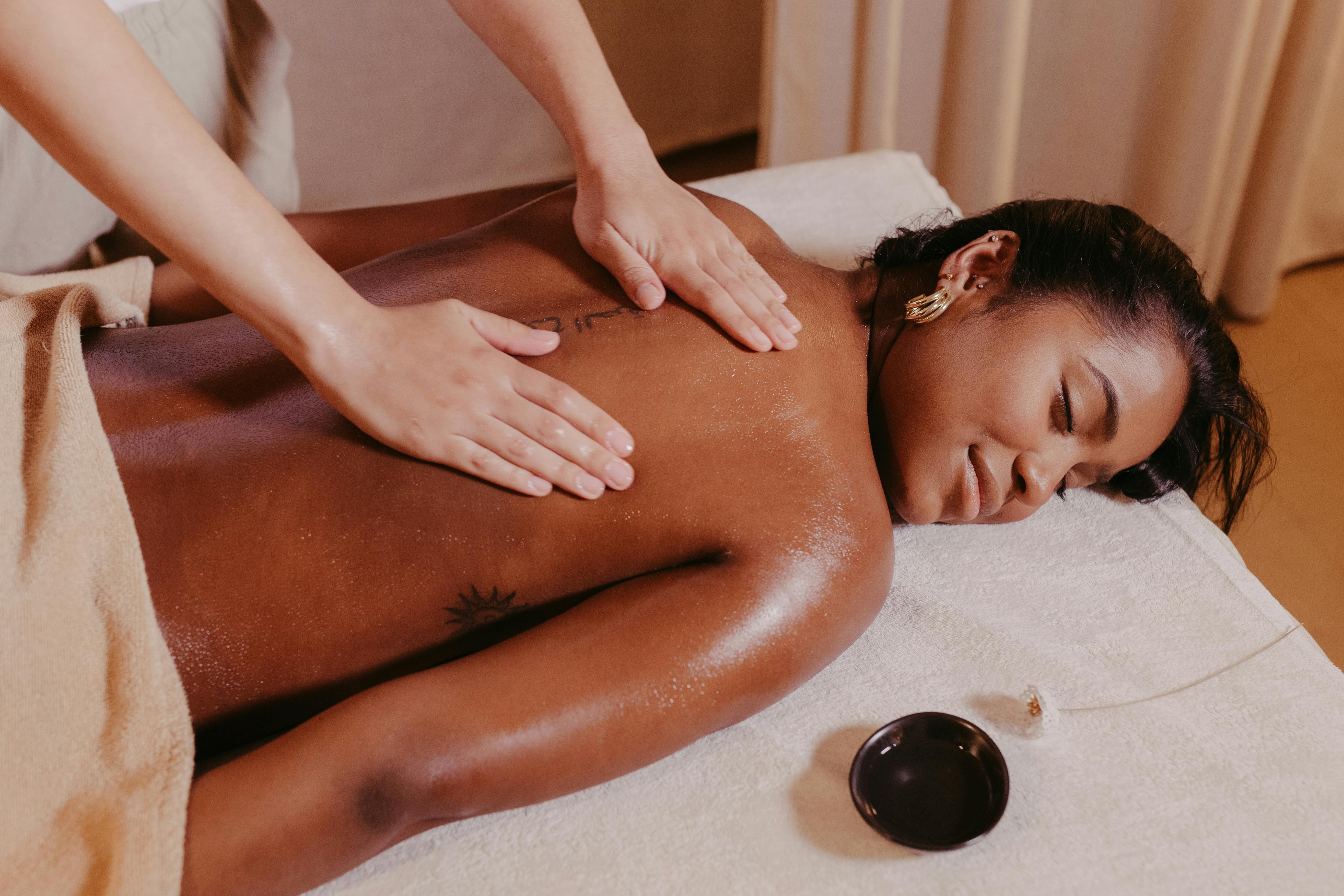
Greater accessibility in the spa industry
In a world dominated by convenience and driven by digital solutions, the spa industry has become increasingly more accessible in recent years. Still, the pandemic set this trajectory into high gear, with some of the hottest and newest spa industry trends centering around improved accessibility to treatments and increasingly tailored options in more private settings.
One of the primary accessibility trends in the spa sector continues to be that of smartphone application use, allowing consumers to search for the spa professionals to best suit their requirements. These tech innovations allow consumers to search based on affordability, schedule flexibility, tailored treatment options, in-home spa visits, the most experienced, and more.
Additionally, a range of other measures and metrics come together to provide spa treatment clients with the ultimate choice and convenience. Access to quality spa treatments and spa therapies was once reserved for those who could afford to spend their time and money on high-end spa services or hotel wellness spas. Now, no matter how full a person’s schedule, their spa treatment of choice can be arranged in the comfort of their own home, after hours, or even in the office.
This vastly increased focus on accessibility has also ushered in significant uptake of spa treatments within the male population. No longer considered to be a treat only for those ladies seeking relaxation or beauty industry services, wellness, and self-care trends are now accessible and acceptable practices for all, and many men are making spa treatments a feature of their regular self-care routine. Given the increased focus on taking care of our mental health, spa treatments are no longer considered to be purely indulgent.
These days, spa treatments are considered by many to be a fundamental part of overall self-care, and while men are also increasingly more interested in investing in their physical appearance, they too recognise the value in spa treatments as a means of improving well-being.
Shared wellness experiences
After so long in isolation and lockdown conditions, more and more people are looking to experience spa treatments that double up as opportunities to connect with partners, family, and friends. Couples’ spa treatments have been steadily rising in popularity and are expected to continue trending in the coming months and years.
In addition to couples’ treatments, friends and family members are increasingly wanting to enjoy relaxing and rejuvenating spa experiences together; at the same time, they remain effective for stress relief in terms of the treatment itself, the added sense of connection can make the treatment even more effective in boosting feelings of well-being.
The spa industry is harnessing the power of music
Many spas and salon facilities are recognizing the power that properly curated spa music can have to significantly improve the customer experience, enhance well-being treatment benefits, and boost employee morale.
Through services like Myndstream’s Spa Music, well-being businesses have access to playlists of music performed by world-class, award-winning musical artists and curated specifically to complement a wide range of applications and treatments.
Myndstream sits at the intersection between art and science, following the research that demonstrates a clear link between exposure to music and a lowering of stress and anxiety. In one particular study, more than 950 patients with critical illnesses were exposed to 30 minutes of daily music therapy, and a reduction in anxiety and stress was consistently demonstrated in association with the music. These and many other studies demonstrate a powerful connection between music therapy and the calming of the human nervous system, although a far broader application is also effective, with various types and tempos of music having different effects, such as up-tempo music causing feelings of elevated mood and motivation.
Myndstream’s intrinsic relationship with music and science brings together fundamental elements of how musical sounds affect our mood, cognition, and overall sense of well-being. By utilising the rigour of scientific research and working with internationally acclaimed artists, Myndstream seeks to enhance the artistic musical process and create the highest quality music-led, well-being programmes.
Click here to listen!
With a priority focus on elevating the audio experience within business environments, Myndstream is the obvious choice for spa, salon and other wellness companies aimed at significantly increasing the well-being benefits offered via their services. Music that is carefully curated to suit specific applications, such as use during stress-relieving treatments like massage, has the power to deepen the mind and body relaxation and enhance the restorative benefits for the person experiencing the treatment.
Myndstream is committed to making their music easily accessible, through both its own platforms, as well as directly to consumers through the main streaming platforms.
Increased focus on mental wellness
Globally, the World Health Organization estimates that approximately 5% of adults suffer from depression. Not only do individuals suffering from depression experience a range of symptoms, such as tiredness, poor concentration, and persistent sadness, but it also commonly results in diminished motivation for self-care.
In this digital era, connectedness is in many ways improved, yet sadly, the juxtaposition is that living our lives through so many technologies diminishes opportunities for face-to-face interaction and fosters a true sense of community.
Experts predict that mental health conditions such as depression and anxiety will continue to increase in prevalence before sufficient changes are made to turn this tide. That said, much of the taboo surrounding mental health issues is at least subsiding, allowing many more people to openly discuss their challenges and seek solutions that support their well-being.
In addition to investing in spa treatments as a solution to managing stress and healing mental health issues, more and more people are turning to spa and salon treatments as a means of preventative self-care. Investing time and care into taking a holistic approach to our mental and physical well-being can have a profound effect on staving off the symptoms synonymous with many mental health challenges.
More preventative treatments
In keeping with the theme of prevention being better than cure, one of the leading trends in the spa industry moving forwards will be a heavy focus on preventative and combination treatments to achieve natural, healthy results and to combat the signs of ageing.
A great example of a popular preventative skincare treatment is the use of Botox. Younger generations are realising that it is far more effective to reduce wrinkle development than it is to wait and attempt to correct them once they are set in. As we age, wrinkles are caused by everyday facial muscle movements repeated over time; Botox reduces these muscle movements, resulting in less wrinkle formation.
Of course, investing more regularly in a variety of stress-relieving spa treatments is now well recognised as a proactive approach to staying healthy and youthful. As previously mentioned, self-care treatments are no longer considered a luxury only for the elite but a normal part of anyone’s self-care routine, and that goes for age-defying, preventative treatments too.
Connecting with nature
The mental, emotional, and physical benefits of regularly connecting with nature are becoming increasingly well understood through a growing body of evidence, and this theme runs through the spa and wellness industry.
Nature’s connection to relaxation and healing benefits has influenced the themes and designs of spa facilities for a long time now, but this is expected to be taken even further in the coming months and years. Forest bathing, for example, is a vital part of preventative healthcare in Japan. Not only is nature proven to promote feelings of well-being and stress management, but after the pandemic lockdowns, consumers are drawn even more powerfully toward such elements.
As well as the traditional spa elements of plants, stone, and sounds of nature, spa facilities are increasingly being designed with natural features in mind. Architects are incorporating wider bays to bring the outdoors in, optimal air filtration and circulation design, and more nature-inspired building materials such as wood and stone.
On the precipice of massive growth in the spa industry
With the chaos of the pandemic largely behind us and with technological advances continuing to emerge at warp speed, the immediate future of the spa industry is destined for significant change and growth. The focus on wellness, self-care, and preventative treatments is greater than ever, and coupled with the ever-lessening stigma surrounding mental health issues, the number of consumers investing in spa treatments will continue to climb exponentially.
With tech continuing to bridge the accessibility gaps in the market, engagement in spa treatments, both in business locations and via tailored at-home care will rise further still. Trends related to flexibility in operational hours, locations, and types of treatments will dominate, as will the prevalence of preventative treatments and the use of music therapy to powerfully enhance the well-being benefits of the spa experience.